




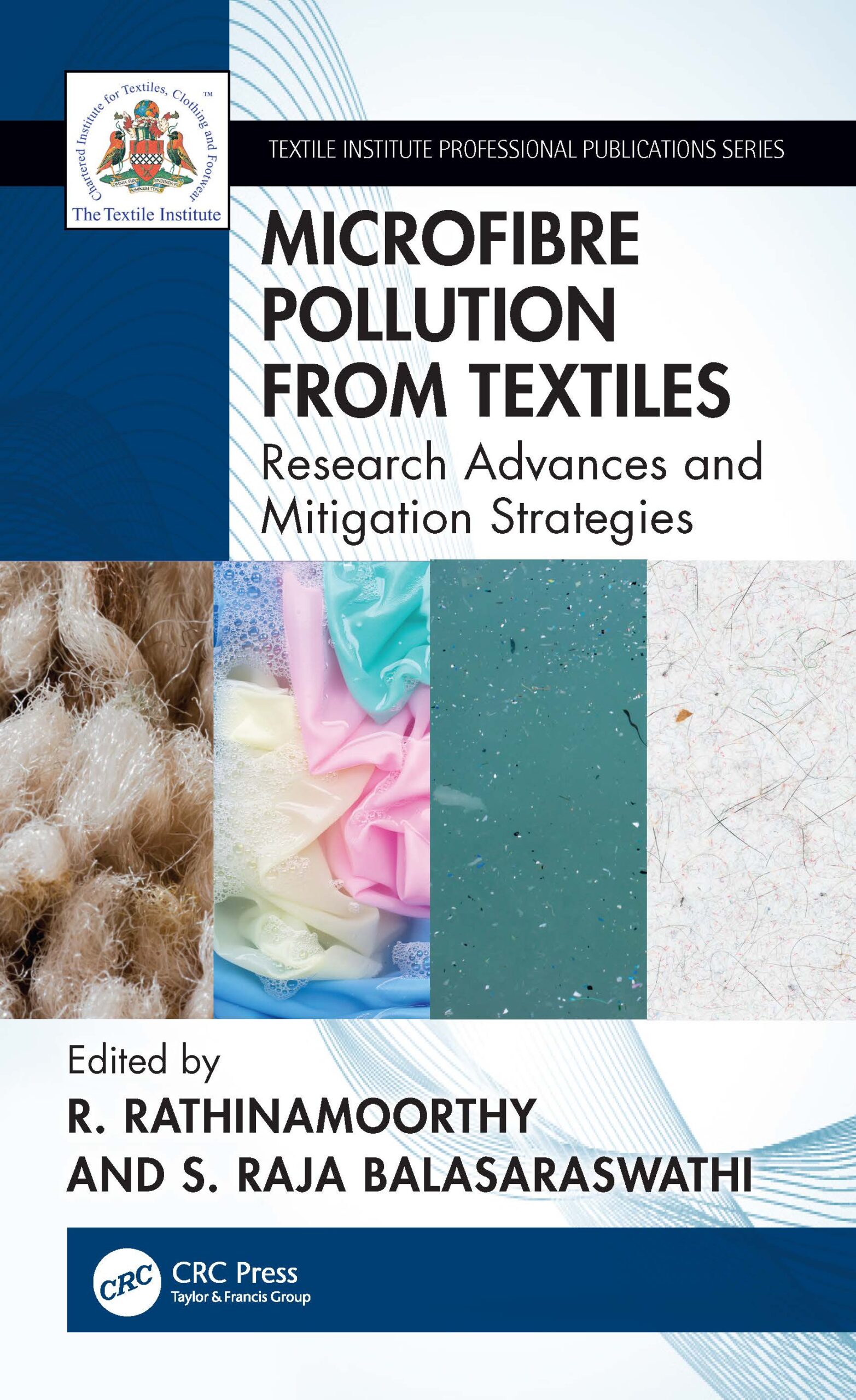
Description
Textile materials shed microfibres during different phases of their life cycle. While much attention has been paid to the impact of microplastics on the environment, there has been less focus on the impact of microfibre pollution, which also poses a serious environmental threat. Microfibre Pollution from Textiles: Research Advances and Mitigation Strategies shines a light on the hidden effects of textile microfibre pollution and examines its generation in manufacturing, use including laundering, and disposal. It details advancements and gaps in the quantification and characterization techniques that are emerging in the growing field of study of microfibre pollution in textile technology.
The book:
- Examines the contributions of the textile and fashion industries to microfibre pollution, from production to disposal
- Reviews recently developed methods and technological advancements in the identification and quantification of microfibres from textiles
- Addresses emerging sustainable mitigation strategies and sustainable textile production methods that can potentially reduce or eliminate microfibre shedding
- Details the state-of-the-art on existing regulations and standards and provides scope for future research in the area of standard development
By bridging the gap between environmental and textile studies, this book is aimed at researchers and advanced students in textile and environmental science and engineering.
Contents
Section 1 — Microfibre Pollution in the Textile and Fashion Industry
- Chapter 1 — An Introduction to Microfiber Pollution
- Chapter 2 — Impact of Artificial Ageing on Microfibre Release from Polyester Textiles
- Chapter 3 — Factors Influencing Microfiber Emission from Textiles and Methods for Quantifying Microfiber Release during Laundry Processes
- Chapter 4 — Characterization and Identification of Microfiber Particles Released in the Washing Process
- Chapter 5 — Microfibres from Textile Industry Effluents
- Chapter 6 — Microfiber Contribution from Drying Clothes Is Critical in Estimating Total Microfiber Emissions from Textiles
- Chapter 7 — Microfibers Pollution Associated with Disposable PPE Products Driven by the COVID-19 Pandemic and Its Environmental Repercussions
Section 2 — Sources of Microfibre Pollution and Analytical Tools
- Chapter 8 — Quantifying Microfibre Release from Textiles during Domestic Laundering Challenges and Progress
- Chapter 9 — Forensic Textile and Fibre Examinations for the Purposes of Improved Recovery, Analysis and Interpretation of Microplastic Pollution
- Chapter 10 — Dynamic Image Analysis for Determination of Textile Fibers
Section 3 — Impact of Microfibre Pollution
- Chapter 11 — The Occurrence of Natural and Synthetic Fibers in the Marine Environment
- Chapter 12 — Dynamics of Microfibers Discharged into the Urban and Suburban Environment
- Chapter 13 — Indoor Microplastics and Microfibers
- Chapter 14 — Microfiber Pollution
Section 4 — Potential Mitigation Strategies and Awareness
- Chapter 15 — Cross-Disciplinary Collaboration Challenging Microfibre Fragmentation in the Fashion and Textile Industries
- Chapter 16 — Mitigation Strategies for Microfiber Pollution
- Chapter 17 — Together We Go Further and Faster
- Chapter 18 — Sustainable Approaches in Textile Finishing to Control Microfiber Releases
- Chapter 19 — Microfiber from Textiles – The New Task of Standardization
- Chapter 20 — Aligning the Textile Industry towards the Mitigation of Microfibre Pollution
Editors
R. Rathinamoorthy and S. Raja Balasaraswathi